What You’ll Learn from This Blog:
- How to audit your current beauty packaging supply chain and identify risks tied to China dependency.
- Practical steps to explore and test alternative suppliers in Vietnam, India, Mexico, and more.
- How to set up a resilient, multi-tier sourcing model without compromising on quality or timelines.
Introduction
In the world of beauty packaging, speed, cost-efficiency, and design excellence are crucial. But in today’s geopolitical climate, another factor is becoming just as important: supply chain resilience. That’s where the ‘China+1’ strategy comes in. For years, China has been the global leader in packaging manufacturing. Its scale, skilled labor force, and production know-how are unmatched. However, as beauty brands face rising tariffs, unexpected shipping delays, and mounting pressure to diversify their operations, many are realizing that relying solely on China could put their business at risk.
What is China+1? The idea is simple: instead of sourcing 100% of your packaging from China, you keep China in your supply chain, but add at least one additional country. That “+1” could be Vietnam, India, Mexico, Malaysia, or even a local supplier in the U.S. The goal isn’t to replace China. It’s to reduce your dependency and build agility into your operations.
So, how can beauty brands implement China+1 without disrupting their packaging timelines or sacrificing quality? Here’s a step-by-step approach based on real-world project management principles:
1. Audit Your Supply Chain
Begin by identifying all the components and materials that are currently sourced exclusively from China. This includes primary packaging (bottles, jars, tubes), secondary packaging (boxes, cartons), and specialty components (pumps, droppers, applicators).
Once you have this list, narrow it down to your most vulnerable SKUs:
- Items affected by high tariffs
- Products with long lead times or inconsistent availability
- Components with no secondary supplier or material backup
This audit gives you a clear starting point and helps prioritize which products to shift first. Here
2. Explore New Sourcing Regions
Once you know what needs diversification, the next step is research. Many Chinese suppliers now operate satellite factories in Southeast Asia, particularly in Vietnam and Malaysia, offering similar quality with fewer tariff implications. India is also gaining traction for paper-based packaging and eco-friendly alternatives.
Practical ways to explore your options:
- Attend international trade shows like Cosmoprof Asia and VietBeauty
- Use sourcing platforms like RangeMe, Faire, or Thomasnet
- Ask existing Chinese suppliers if they operate or partner with factories outside China
Keep in mind that the goal is not just to find the cheapest option, but the most stable and scalable one.
3. Start Small Before Scaling
Before moving an entire product line to a new factory, conduct a pilot run. Choose a lower-risk SKU and evaluate it from end to end:
- Print and material quality: Does it meet your brand standards?
- Lead time and logistics: Can they deliver reliably and affordably?
- Packaging consistency: Is color, texture, and format aligned with your specs?
A successful pilot will give you the confidence to scale production without introducing packaging headaches or last-minute surprises.
4. Set Up a Tiered Sourcing Model
In project management, redundancy is key to risk mitigation. Apply that to your packaging suppliers by setting up a tiered system:
- Primary supplier (e.g., China): trusted, high-volume partner
- Secondary supplier (e.g., Vietnam or India): quality match with lower tariff exposure
- Tertiary supplier (e.g., U.S. or Mexico): backup for emergencies or fast-turn needs
Having multiple options allows you to pivot quickly if shipping lanes are disrupted, raw materials become scarce, or cost structures change.
5. Get Familiar with Trade Regulations
Shifting manufacturing locations means navigating new customs and trade rules. If you’re sourcing from Mexico or Canada, study the benefits of the USMCA. If moving into Southeast Asia, explore export incentives or import taxes that apply to beauty and packaging goods.
Pro tip: Work with an experienced customs broker who understands product classification codes, tariff breaks, and regional regulations. This helps you avoid compliance issues that could delay launches.
6. Maintain Quality Across Borders
New factory, same packaging promise. To maintain brand consistency:
- Use “golden samples” (pre-approved production models) for reference
- Provide detailed spec sheets and approved vendor lists
- Send subcomponents (like pumps or embossed caps) to your new factory if they can’t be sourced locally
Also consider third-party QC inspections during your pilot phase, especially for new suppliers.
Conclusion
The China+1 strategy isn’t about leaving China behind. It’s about protecting your brand against single-source dependency and building more nimble, resilient operations. In beauty packaging, where timing is everything and margins are thin, even a two-week shipping delay or 25% tariff increase can erode your profits. With a China+1 model, you’re better prepared to adapt.
Want to take the first step toward sourcing diversification? Let’s connect here, we can help you plan and project manage your shift.
More Resources to Explore
- WTF! What the Tariffs Mean for Beauty Packaging and Brand Strategy in 2025. Read the blog here
- WTF! Tariffs Touch Everything💥: A Breakdown of How Trade Policy Impacts Every Layer of the Beauty Industry. Read the blog here
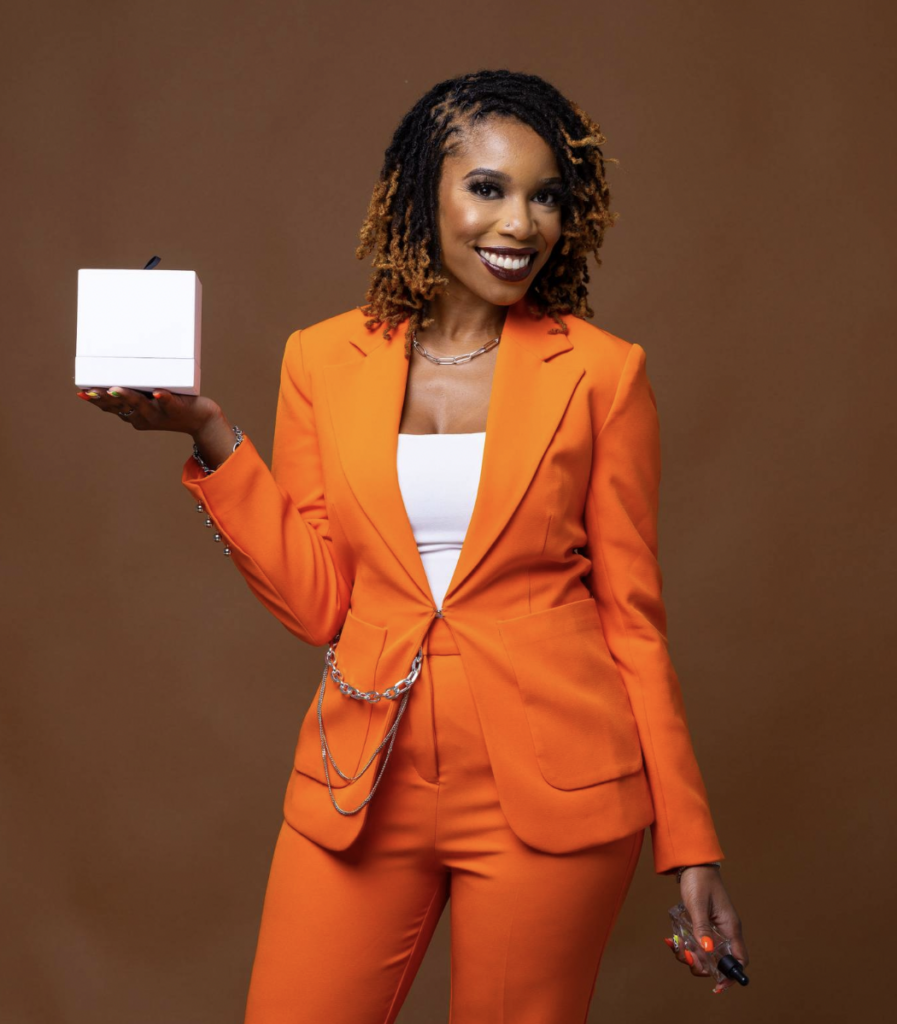
Megan Young Gamble, PMP® is a forward-thinking packaging and project management veteran with more than 10 years’ of experience transforming mere ideas into consumer product goods for today’s leading beauty, wellness, and personal care brands. Known amongst colleagues and clients for her perseverance and “see it through” mentality, Megan The Project ExecutionHER® is the owner and principal consultant of GLC, packaging & project execution team for CPG brands, Co-Owner of Pallet Pros, and Host of Product & Packaging Powerhouse Podcast.
- [FREEBIE] Learn about “day in the life” of a Packaging Project Manager → Get our “Starter Packaging PM Freebie” [link] https://glc.ck.page/thestarterpackagingprojectmanager
- Subscribe & Access our Video Vault YouTube Channel [ link] https://bit.ly/GLConYouTube
- Join our Email List [link] https://glc.ck.page/55128ae04b
- Follow and Connect with Megan on LinkedIn [link] https://linkedin.com/in/megangamble
- Learn about GLC, Packaging & Project execution firm for CPG brands http://www.getlevelconsulting.com
- Work with Me @ GLC, Schedule Discovery Call https://calendly.com/getlevelconsulting/15-minute-insight-session
https://shorturl.fm/E2SoW
https://shorturl.fm/EWMIa
https://shorturl.fm/ltZ53
https://shorturl.fm/fgzv9
https://shorturl.fm/2da0E